A Letter from the McKee Administration
January 2026
Dear Rhode Islanders,
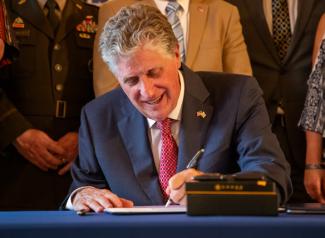
I am proud to release the latest version of the RI 2030 Plan—our roadmap for strengthening Rhode Island, improving quality of life, and ensuring a healthier, more resilient future for all Rhode Islanders.
Since we launched RI 2030 in 2021, many elements of the plan have been enacted, so that Rhode Island is poised for economic success. Our strategic investments in infrastructure, education, workforce development, health care, and housing, combined with prudent fiscal management and steady economic growth, are producing results, with more than 36,000 private-sector jobs created since I took office five years ago.
My administration’s vision is organized around four priorities that guide both this plan and the investments reflected in my FY 2027 budget recommendation:
-
Strengthening K–12 Education
-
Building a Rhode to Prosperity
-
Creating a Healthier Rhode Island
-
Advancing Infrastructure and Energy
Our multipronged approach has helped us weather many challenges, including a pandemic. This latest iteration of RI 2030 comes at a time when states are contending with a dramatically different federal landscape than under previous presidential administrations. Steep and erratic tariffs, inaction on affordability, and the passage of H.R. 1 have upended long-standing assumptions about funding, program stability, and federal–state partnerships, placing significant new pressures on states and families alike.
H.R. 1 and related actions by the Trump Administration pose severe risks to Rhode Island’s residents and fiscal stability. These actions threaten Medicaid coverage for more than 30,000 Rhode Islanders; cut approximately 2,300 households off SNAP while reducing benefits for hundreds more; and eliminate enhanced Affordable Care Act premium tax credits—driving up monthly insurance costs and placing coverage at risk for roughly 13,000 Rhode Islanders on the state’s health exchange. At the same time, federal rollbacks have frozen or terminated more than $75 million
in funding for energy investments, scientific research, and critical infrastructure; eliminated clean-energy and electric-vehicle incentives; stalled offshore wind development; and reduced the Medicaid provider tax by more than $150 million, placing hospitals and other essential health care providers under serious financial strain.
These challenges call for clear direction and decisive leadership. As reflected in my Fiscal Year 2027 budget recommendation, my priorities are straightforward: putting more money back in families’ pockets, protecting the most vulnerable from federal safety-net cuts, and keeping Rhode Island building to support good-paying jobs and long-term economic growth. My Affordability for All package responds directly to the pressures families are feeling—from rising health insurance premiums and utility bills to the increasing cost of housing—by delivering targeted tax relief, lowering energy costs, and taking direct aim at health care affordability.
The RI 2030 Plan is aligned with that same approach. While it recognizes that no state can fully backfill the loss of federal programs, it commits Rhode Island to acting with discipline and compassion—using available state resources to protect the most vulnerable, preserve essential services, and mitigate the downstream impacts of harmful federal policy choices.
The latest version of RI 2030 reflects a balanced strategy: addressing immediate affordability challenges while continuing to invest in innovation and systems improvement so Rhode Island remains resilient, competitive and opportunity-rich for the long term.
Despite the challenges ahead, Rhode Island has significant public and private investment in the pipeline, and this plan builds on that momentum. With discipline, compassion, and resolve, we will continue to keep Rhode Island moving forward.
Sincerely,

Daniel J. McKee
Governor